
Integrate with the
systems you already use
When you’re working across ERP, WMS, order management, carrier and finance platforms, things only run smoothly if those systems are properly connected. When they’re not, teams spend unnecessary time moving between them just to keep things running.
Sentaro fits into your existing setup with minimal disruption, connecting the systems you already use without changing how your operations work. It’s integration that fits naturally into your workflow – not one that disrupts it.

Keep supply chain information flowing across your business
Integration should do more than connect systems at dispatch. It should keep information moving as well as freight does. Sentaro helps ensure that data flows cleanly between connected systems, reducing the need to chase updates or reconcile information across different tools. With Sentaro, everyone works from the same version of the truth.
Simplify how you manage multiple carriers
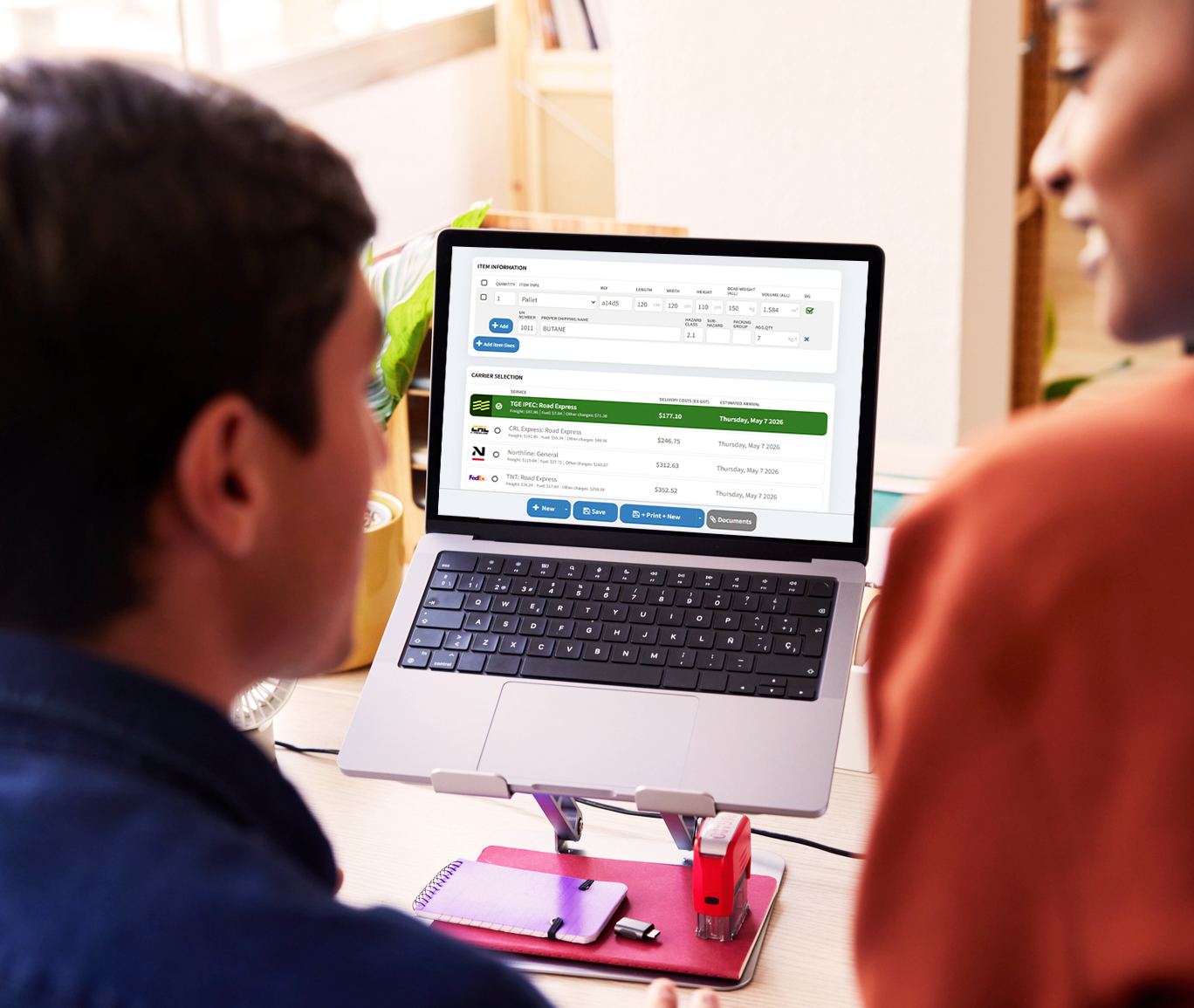
Working across multiple carriers usually means working across multiple systems, rules and workflows. Just because that’s the norm, it doesn’t have to be. Bringing those carrier connections into one place makes it easier to manage freight across providers while still maintaining flexibility in how you operate. With access to 850+ carriers across Australia and New Zealand, Sentaro handles the integration layer for you. That’s more carriers, but less complexity.

Reduce manual effort
When systems are connected properly, the busywork starts to disappear.
Orders move into shipment creation more smoothly, teams stop rekeying the same information and freight becomes easier to manage across departments.
Better connected eCommerce fulfilment
Online retail needs more than just freight rates at checkout. It needs a clean flow from order to fulfilment so shipments can be created, labelled and dispatched without unnecessary manual steps. Sentaro supports this through eCommerce and order platform integrations, helping orders move directly into freight execution with the right information already in place.

What Sentaro enables through integration

Carrier selection aligned to your needs
Sentaro can support carrier selection using pricing, service-level and business-defined rules, whether those decisions are driven within Sentaro or by the ERP/WMS platforms connected to it.
Either way, your logic stays intact.

Embedded freight functionality
Sentaro APIs allow freight to be managed directly inside ERP, WMS and order management systems.
So instead of switching between platforms, teams can create and manage shipments where they already work. Less jumping around and more getting things done.

Delivery service configuration
Delivery requirements can be captured at the point of dispatch, including residential delivery, time windows, authority to leave and special handling instructions.

Real-time freight pricing
Sentaro pricing APIs enable live freight rates at checkout, helping businesses present accurate delivery options and recover costs more effectively.







Flexible integration options
Every business integrates differently. Whether connecting via APIs or structured data exchange, Sentaro aligns with how your business operates.
API integration
API-based system integration
Sentaro provides a full suite of APIs that allow external platforms to create consignments, retrieve freight pricing, access tracking information and manage shipment activity directly.
This means ERP, warehouse and order management systems can integrate directly with Sentaro while maintaining efficient data exchange across connected platforms.
API integration
EDI and file-based integrations (SFTP)
For high-volume or legacy environments, Sentaro supports structured file-based integrations that enable reliable data exchange between systems.
This approach allows organisations operating established EDI processes to integrate with Sentaro while maintaining their existing technology architecture.
API integration
Data synchronisation between systems
Sentaro integrations help keep key operational information aligned across connected systems, helping teams work from more consistent data across their existing setup.
This reduces the need for manual updates and keeps information consistent across connected systems.